
Seeing Isn’t Believing: How AI Video Is Changing Social Media and Brand Trust
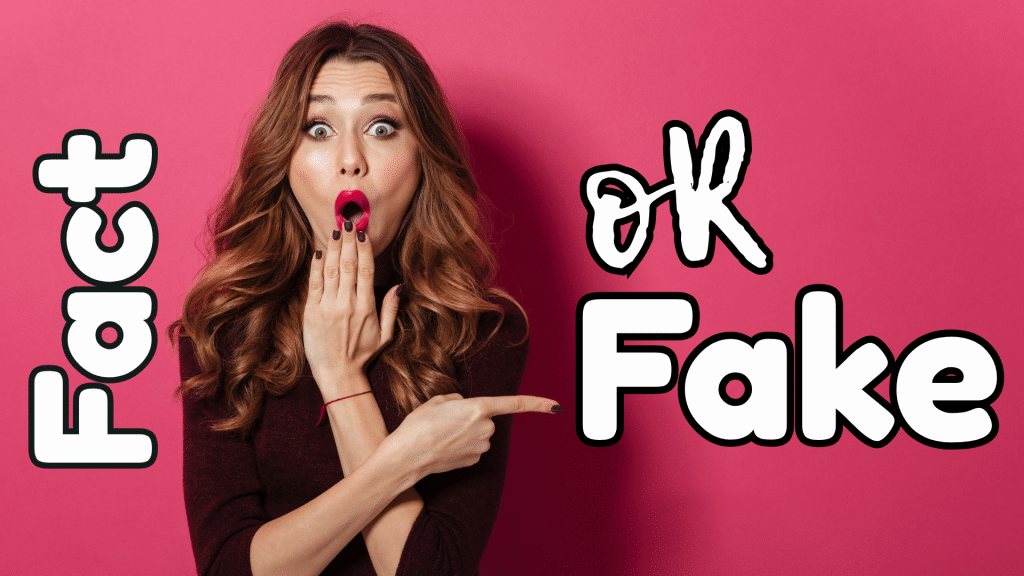
As you scroll through social media, you’ve likely encountered those AI videos: dogs performing incredible “saves,” or videos bearing the infamous Sora logo. Some are expertly crafted, others are clearly clickbait.
While initially they grab our attention, a sense of unease often follows. When feelings like these begin to surface or I hear others say things like “oh, this is Ai” or ask openly “is this for real?” my mind begins to shift towards questions like “what will the outcome be when fake becomes familiar?” The more frequently people encounter such content, the more their trust in what they’re watching erodes, which is a huge marketing challenge. As my 21-year-old son recently commented, “I don’t use social much anymore. You can’t believe what you see.”
He’s not alone. Polling by the American Psychiatric Association reveals that half of all U.S. adults have reduced their social media usage this year, citing fatigue, distrust, and overexposure as key reasons.
When Fake Becomes Familiar
For businesses, when fake becomes familiar, it can translate to fewer genuine interactions and a more challenging path to building credibility. When the line between real and fake blurs, people disengage. When people stop believing what they see, even top brands will struggle to get noticed across these platforms. As AI-generated content continues to flow into our feeds, I’m left asking, “How will this affect social media usage in the future?” In this blog, I’m going to touch on some of these concerns, the pros/cons of AI-generated videos, plus five rules we’re using to help ensure we use AI well.
AI Videos: Opportunity or Illusion?
AI is a powerful creative tool, but how it’s used makes all the difference. When you’re smart about it, AI can boost your communication, make ideas clearer, and help you be more agile. But if you’re not careful, it could clutter your message and damage your brand’s reputation.
Here’s a quick look at both sides:
| Perspective | Potential Benefits (Pros) | Risks & Drawbacks (Cons) |
| Clarity | Simplifies complex ideas through visuals and storytelling. Speeds up content creation for consistent posting. Helps visualize products or data creatively. | Overuse blurs truth and misleads audiences. Deepfakes confuse what’s real. Algorithms reward sensationalism over substance. |
| Connection | Engages audiences emotionally at scale. Levels the playing field for small teams. Personalization helps reach niche audiences. | Overproduction or fakery erodes trust. Manipulative “emotional” AI clips damage authenticity. Some viewers associate AI with deception. |
| Confidence | Empowers brands to create faster and compete creatively. Keeps content fresh and timely. | Replacing human intuition with automation weakens integrity. Once audiences feel tricked, confidence is hard to rebuild. |
| Ethics & Transparency | When disclosed, AI can spark innovation and accessibility. Encourages creative collaboration. | Hidden AI use fuels skepticism and “fake news” fatigue. Even honest brands risk being grouped with clickbait. |
| Strategy & Longevity | Saves time to focus on real community engagement. Can complement human creativity. | Short-term clicks rarely build loyal customers. Chasing trends over truth weakens mission and message. |
Takeaway:
AI itself isn’t the problem, but how we use it is. When things aren’t clear, our connections suffer, and trust breaks down; even being widely seen won’t fix that.
Rebuilding Trust in the Age of Artificial Attention
So, what’s next? We’re seeing a subtle shift back to real connections, the kind algorithms and AI can’t copy. Businesses are starting to realize that while social media is still important, it’s not as effective as it used to be. Growth now comes from relational spaces. When I say “relational spaces” think live chats on apps like WhatsApp, smaller get-togethers, interactive video calls, and communities built on common values.
AI has not killed social media (yet), but social media is different. Both are tools, but they’re not the entire toolbox.
How to Use AI Well, Without Losing Authenticity
As mentioned earlier, AI can amplify your creativity, but it should never replace your credibility.
Here are five simple rules we follow when using AI:
- Stick to What You Know: Only use AI for stuff you genuinely understand or have experienced. Don’t try to create content in areas where your business doesn’t have real expertise.
- Be Upfront About AI: Let your audience know when you’ve used AI to create your content, as transparency can help prevent you from losing trust.
- Keep It On-Brand: Every piece of content, no matter how it’s created, must align with your brand’s values and unique voice before publishing. No exceptions. Don’t chase trends at the expense of losing your authentic voice and purpose.
- Always Have a Human Eye: Make sure a real person reviews everything generated by AI to catch and fix any oddities, mistakes, or misleading visuals. Have you noticed people lately with 11 or 12 fingers? I have, even in well-known business magazine publications.
- Authenticity First: Real connections beat clever tricks every time. Before you hit publish, always ask yourself: “Does this truly build the kind of relationship I want with my audience?”
Used this way, AI becomes a tool that supports trust, not one that replaces it.
Where To Go From Here
The digital world is only getting louder (noisier), and clarity is harder to find, but that’s where your opportunity lies.
Brands that thrive won’t be the ones shouting the loudest. They’ll be the ones showing up with clarity in their message, connection in their approach, and confidence in their purpose.
This article is grounded in our own experiences, reflections, and insights. AI tools were used to assist with writing and refined by a real human.
ℹ️ Please keep the comments free of promotions or sales pitches. Any comments containing such content may be marked as spam or edited before publishing.
You may also like





3 Steps to Transform Your Marketing
Clarity • Connection • Confidence

Schedule a
Discovery Call
Let’s discuss and uncover your biggest marketing challenges and goals.

Design Your
Clear Strategy
Together, we’ll build a focused, message-driven marketing plan.

Launch & Grow
Confidently
Implement the strategy and watch your brand connect and expand.